
Hopeful Moments of Helping Teens Soar
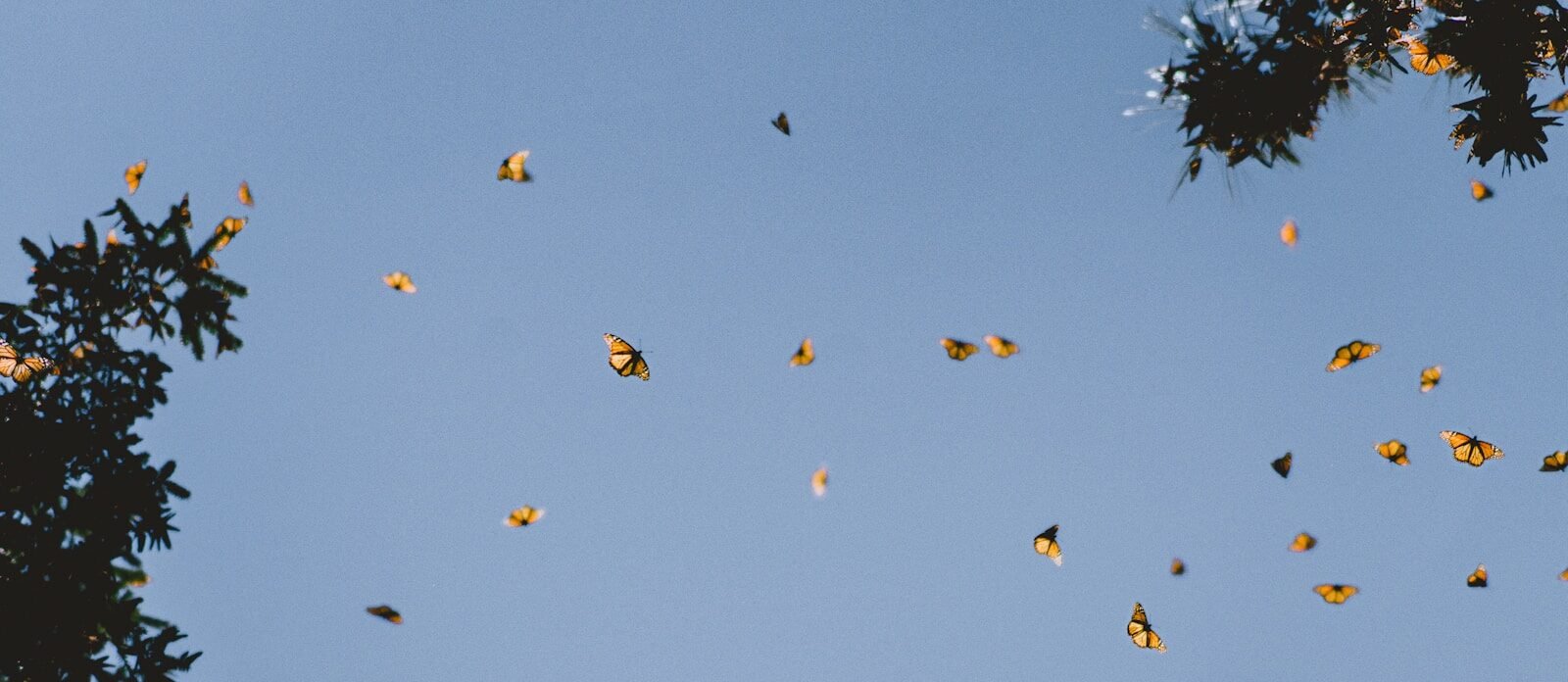
It was difficult to count the monarch butterflies, but one day in early October at least seven of them fluttered around my gardens. I had never seen so many at once!
A group of butterflies can be called a flight, a kaleidoscope, a wing, a swarm, or a flutter – but whatever the term used, I felt hopeful in sharing this butterfly extravaganza with my kids. I am happy to aid monarchs by growing flowers native to our ecosystem. My encounter urged optimism.
In doing some research,* I discovered that eastern monarchs wintering in Mexico in December 2024 occupied almost double the number of hectares they used in December 2023. Monarch levels still aren’t where they used to be, notes the organization monarchconservation.org. The area monarchs occupied while wintering in 2024 was still below the average number of hectares they occupied annually over the past decade. However, the recent increase in numbers is heartening.
Wider impact
A few weeks later, one of my teenage children received an award at school for positive engagement. During the award ceremony, the presenting teacher recounted that my teen had brought up the topic of monarch butterflies and the obstacles they face. The teacher was impressed with my teen’s knowledge and concern, and I (not having known about their earlier conversation), felt proud.
“Butterflies in groups remind me of teenagers in groups. They move in ways that seem both joyful and chaotic.”
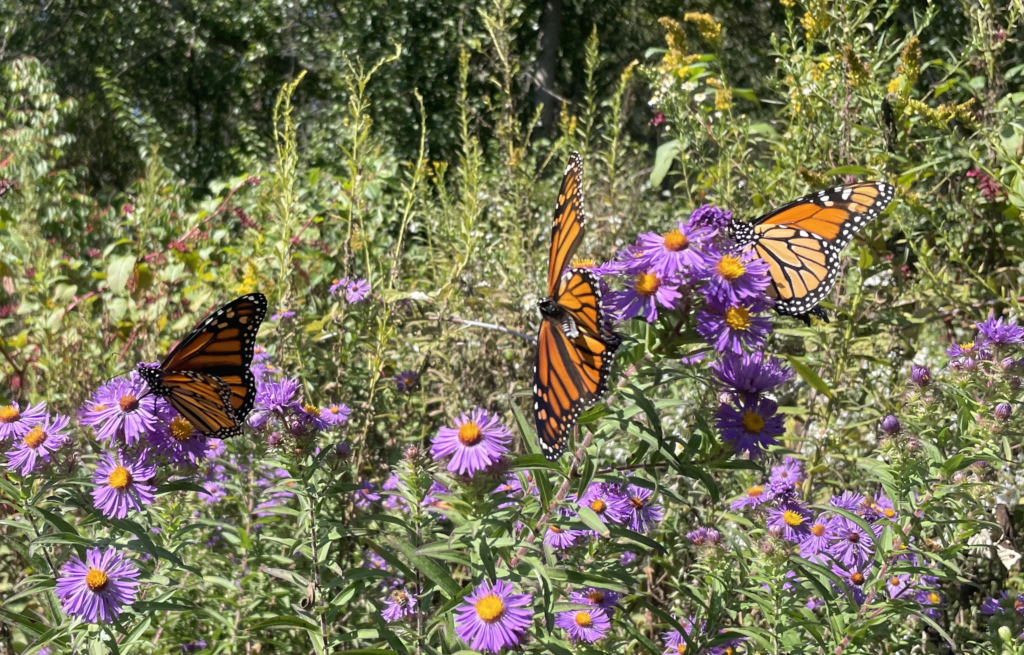
While looking around during the ceremony, I reflected that butterflies in groups remind me of teenagers in groups. They move in ways that seem both joyful and chaotic, with sudden bursts of energy. And both butterflies and teenagers sometimes appear oblivious to the world around them.
During my sighting in October, some butterflies allowed me to get close enough to photograph them without flying away. However, many butterflies did notice me and flew to another flower. I reflected that, similarly, many teens are paying attention, even if we adults don’t notice.
Boosting teen reading rates
Current data on teens and reading isn’t as hopeful as the recent increase in eastern monarch habitat. The percentage of teens who read for fun is down, and reading test scores are at historic lows. But that doesn’t mean the numbers can’t follow the same upturn as 2024’s monarch count.
At the library where I work, there are flutters of teens who gather after school. With their butterfly-like energy, they require reminders about the behavior policy to protect other patrons’ rights. But I’m glad the teens are there, in a safe place, as we try to build rapport.
It’s developmentally appropriate for these teens to focus on their social skills. They interact with each other and rarely look at the books that surround them. But recently a teen asked me to help find an author who was a favorite as a young child. Nostalgia isn’t just for adults! This teen began reading one of the author’s books – and then jokingly demanded a friend get off their phone and listen to them read.
I’m assuming the phone went away, because I overheard sections from more books read aloud as I moved around the area. This positive peer pressure filled my heart. To further build a positive association with the library, I made sure to offer the teens candy from our treat bucket as they left.
How adults can help
Maybe not every group of teens is reading after school, but plenty of individual students come into the library and check out armfuls of books. Recently, some adults came into the children’s area and took out middle grade books for themselves. These were books that were favorites as a child, or new books that they wanted to discuss with young people in their lives who had read them. These adult readers are now either modeling a love for reading or connecting their reading with a young person’s preference.
Butterflies and teens both need our support. If we look, we can find moments of hope — and discover ways to help them soar.
* Statistics from the Monarch Butterfly Fund