My Scientifically Useful Family
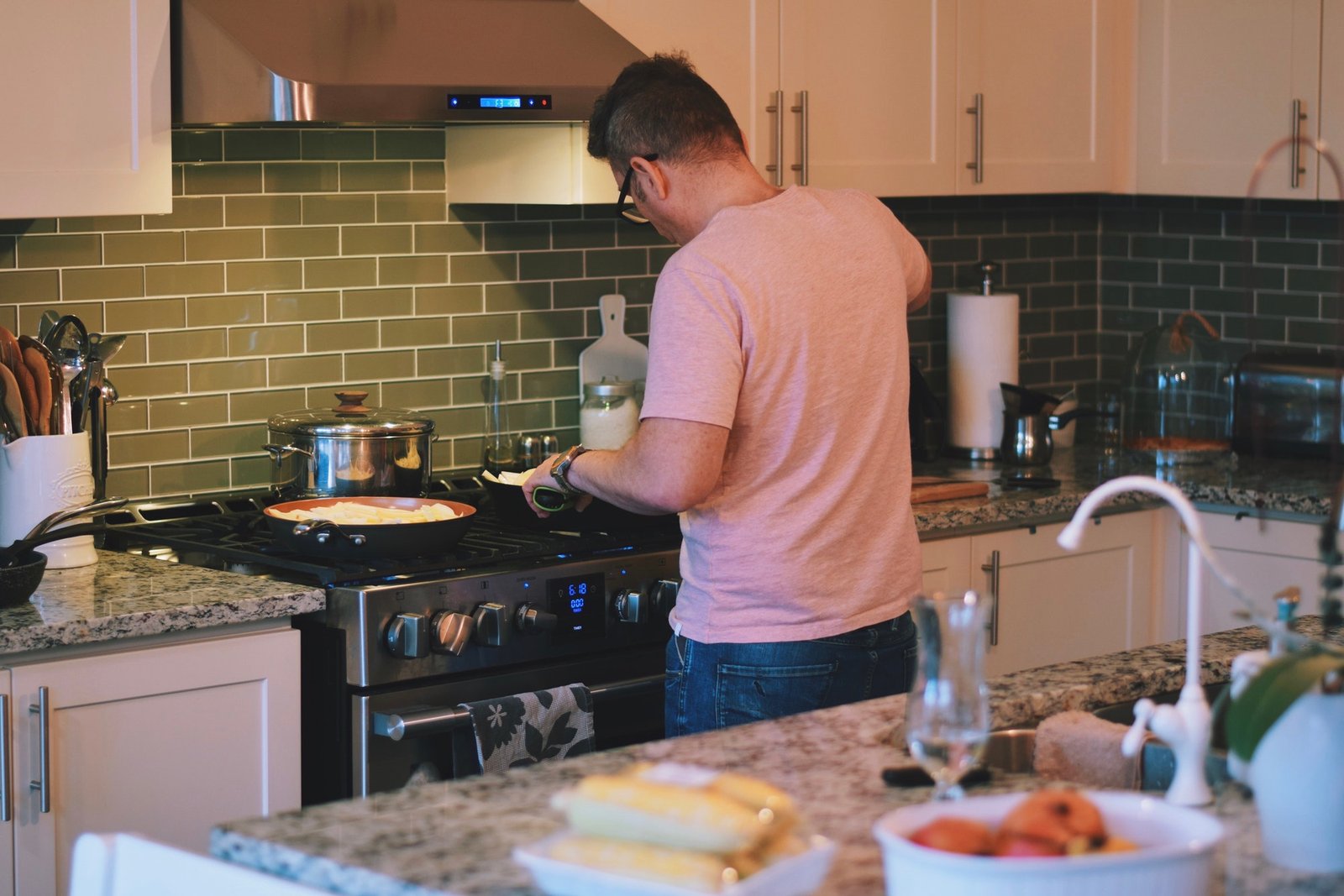
Within moments of entering the kitchen, I knew something was wrong. Fumes hit the back of my throat and I started coughing – then needed to get out of the room. Whereas my husband, standing closest to the microwave, stayed to deal with things.
“You okay?” I called towards his frequent throat clearing. He was: he’d opened the patio door for fresh air.
How could preparing vegetables be dangerous? I began to research the mishap on my laptop, while keeping back from whatever still wafted up from the kitchen.
Unplanned Experiment
My husband was making a recipe that called for two hot peppers. We didn’t have fresh jalapenos, so he took two frozen ones from the freezer and began to microwave them. But neither of us knew that a chemical in the vegetable’s membranes – called capsaicin, which makes chillies hot and spicy – can be released as an aerosol if overheated. In short, we’d successfully manufactured pepper spray: and then tried it out on ourselves.
The pepper spray lingered, and dinner had to wait. But within moments I wasn’t annoyed – I was pleased because my family was participating in a real-life science experiment. And it was the exciting kind: unlike so many in high school when I sat near the back of class, watching the biology teacher demonstrate a procedure we were to follow.
A few minutes later I was even more energized because I realized the pepper incident was the second time my family had participated in a recent experiment.
Too Clean
Early in the pandemic, our eldest daughter decided to clean her boyfriend’s kitchen counter. Back then people were still sanitizing surfaces, including packages of food pulled from grocery bags: we didn’t know yet that Covid-19 is transmitted through respiration.
My daughter wiped the counter with bleach …. finished the job with disinfectant spray…then felt very dizzy and needed to sit down. Soon she was being interviewed by a paramedic and found out that, by mixing bleach with ammonia-containing spray, she’d accidentally made chloramine gas. Recovery was quick once my daughter went outside and the paramedic administered a few puffs of pure oxygen.
These recent lessons have been an unexpected upside of the pandemic, as has the chance to learn more about science in general. I never expected that our family – made up of software, education and writer types – would be regularly parsing articles about virus variants, vaccines, and optimal immunization rates. Like many people, we’ve tried to keep on top of the pandemic news.
Imagined Conversation
During my final weeks of high school, I picked courses for my first year at university, and the only science classes on the list were psychology classes and labs. I can’t remember if my biology teacher asked me what I’d be taking. Probably not – he’d been patient all year, tolerant of my wavering attention and frequent chatting. But I’m sure that, in one of his final classes, he encouraged everyone to continue taking science.
If I could talk with that teacher now, I would bring up several science-related topics: not just home experiments gone wrong and the Covid virus, but also about the kind of misinformation that has spread widely during this pandemic. I’d ask about his long career and some of the things he’s learned about teaching teenagers – including those not in sync because they’re dealing with problems at home.
At some point in our conversation, I would admit that science has become interesting after all. And who could blame my former teacher if he responded a little smugly – if he answered “See, what did I tell you?”
PERSONAL ESSAY