How can you build better family relationships? From my family’s experience, one way is to go camping together. As I describe below, we learned outdoor skills gradually, starting in our backyard.
Step 1: Early days – backyard camping with kids
Your own backyard is the perfect place to learn camping skills, and to have beginner camp outs. Here’s what worked for our family:
Pitch the tent – Everyone can help, from laying out the poles to pounding in the pegs. Our kids loved hanging out in the shelter they helped to set up.
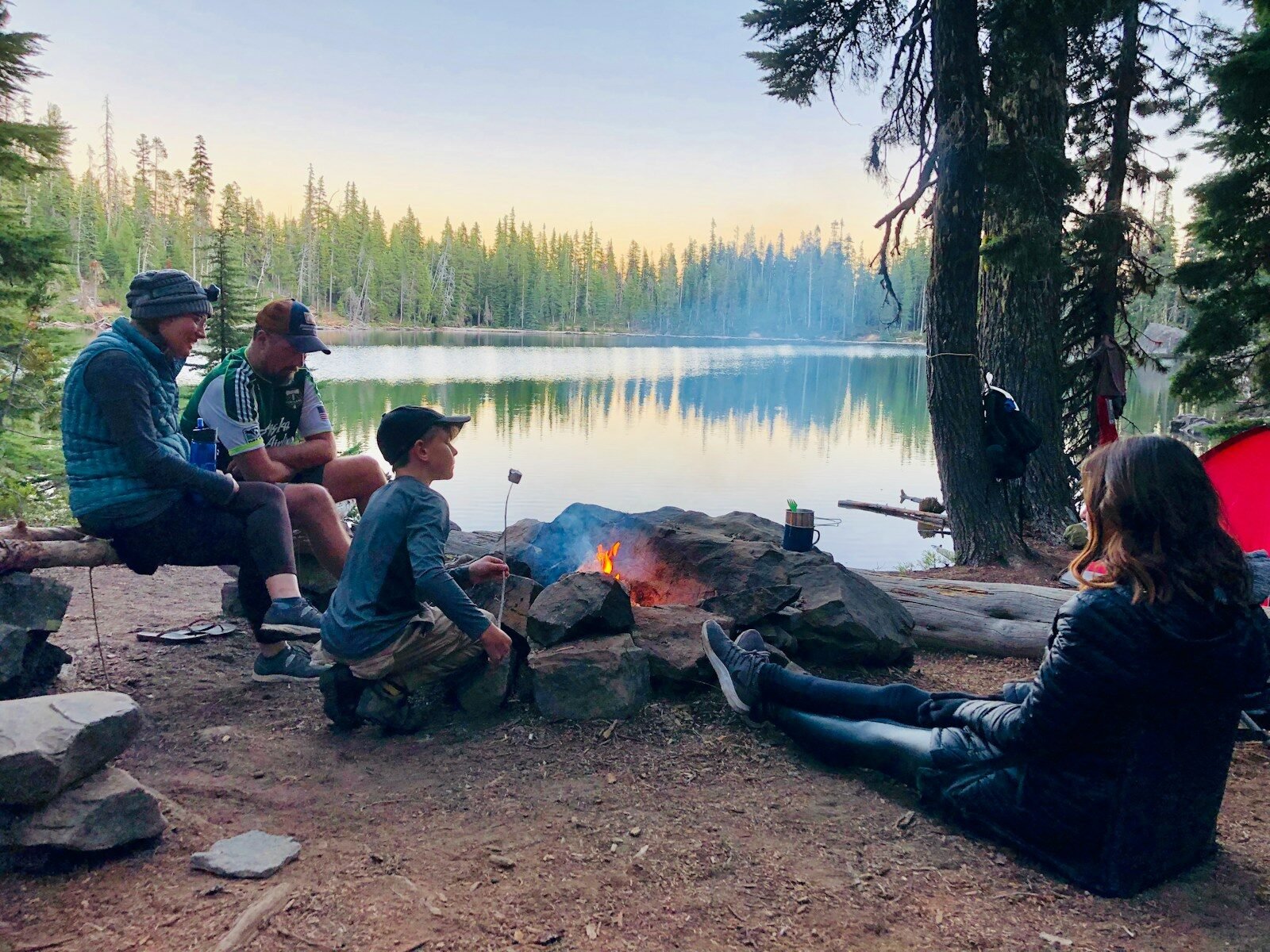
Build a campfire – This is another opportunity for everyone to get involved. Children can add sticks and fan the flames. Be sure they know fire safety! We had to be extra vigilant since our kids liked to “paint” the air with smoke from smoldering sticks.
Cook over the fire – Hot dogs and marshmallows on sticks are easy for little ones. Our kids got creative with roasting any food that would go on a stick, from bread to kiwi fruit.
Explore the yard – Pretend to go on a bear hunt; catch fireflies; and count how many animals you can see and/or hear. We once spotted an ow!!
Tell stories around the fire – This activity was a family favorite. Dad spun tales where the heroes, somehow, always had the same names as our children! Our kids also told their own stories. We still talk about our youngest’s first story that kept going – and going – with “and then…” to connect each sentence.
Step 2: Branching out – increasing confidence
As the children grew older, we branched out with camping activities beyond the yard. We enjoyed day hikes, rock hopping, and creek stomping. These activities provided family fun and helped to build our kids’ confidence.
I remember a time when we came across a tunnel of stacked boulders: our oldest child dared to crawl through, while his brother really wanted to follow, but was scared. The older one encouraged the younger one with the words, “You can do it” until the younger one shouted, “I did it!”
Step 3: Bigger trips – embracing challenges, building togetherness
When our children reached their early teens, we were ready for a big trip. And by camping for 21 days in and around national parks in the four-corner states (Arizona, Colorado, New Mexico, and Utah), we quickly learned to embrace challenges. Here’s what helped us:
Sharing navigating duties – We knew there’d be times during our trip when we were too remote to access GPS, so we gave our oldest son a special role. Since he loves maps, we encouraged him to bring his atlas and gave him partial responsibility for getting us from place to place.
Be ready for Plan B or C – Some nights were too windy for tents. So, we enjoyed the Milky Way and slept beneath the stars – but we were ready to sleep in the minivan if needed.
Take a little risk – As a mom, the Angel’s Landing hike in Zion National Park made me nervous. But we went over safety rules with our kids, stayed together, and were rewarded with spectacular views and the sense of accomplishment of doing it together.
Take some downtime – After hours of exploring, we made sure to relax at the campsite. We looked forward to frisbee games, cards, books, and naps.
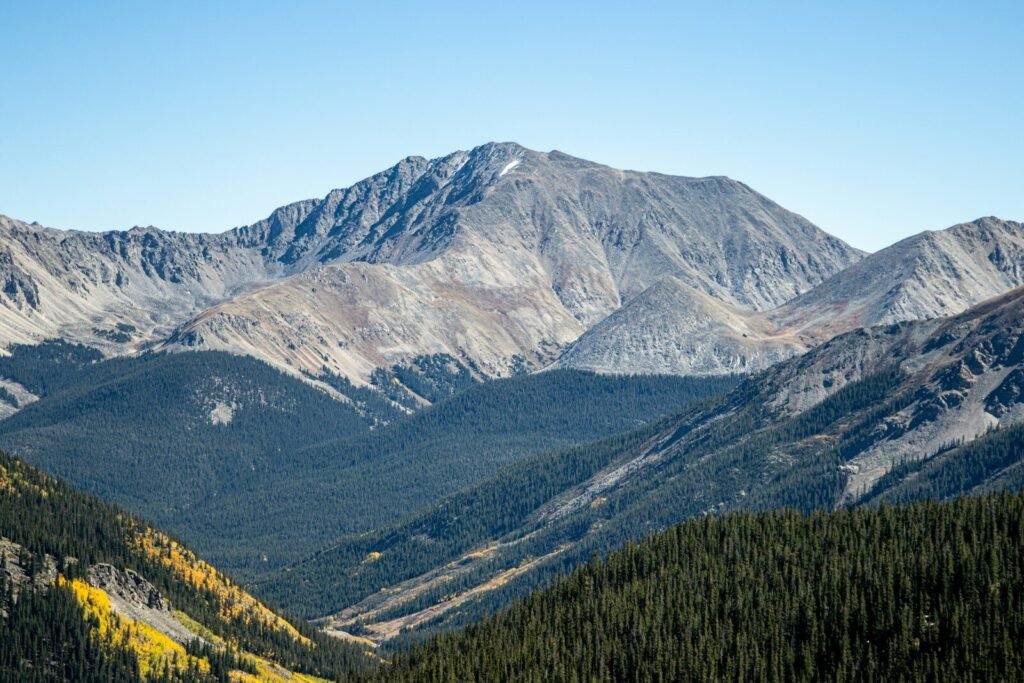
Save some things for later – Our kids were disappointed when we had to turn around on a trail near Independence Pass in Colorado because a storm was moving in. They insisted we could go further, but Dad and I insisted we must turn around – which our family did. We avoided the storm and told each other, “Maybe someday we can come back.”
Our “someday” of completing the trail happened four years later, in June 2026. We celebrated with the kids, now in their upper teens, when we reached the high point of 13,000+ feet.
Reflecting on my family’s growth
Stepping out to explore the outdoors has required each member of my family to step up – to take on responsibilities and challenges that have made us better together. I’m already looking forward to our next outdoor family adventure.
Brinton Culp teaches language and culture in the Spanish classroom to grades four through high school. She also writes poetry and fiction for children. Brinton is on Bluesky and X (Twitter).
Parents can ask a simple question to discover what their children value, and changes they would like to make, suggests author Kern Carter. He shares a tip from his experience in leading creative camps.
“When they tell you what they would change, it’s important to let them know that change is possible.”
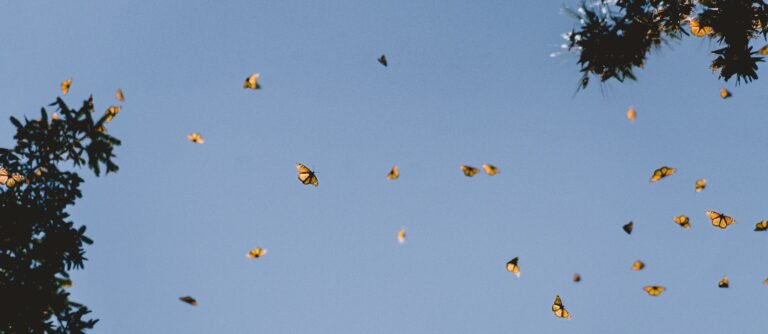
An educator shares positive findings about monarch butterflies, and explains the parallels she has seen in teen readers at the public library where she works.
“Butterflies in groups remind me of teenagers in groups. They move in ways that seem both joyful and chaotic, with sudden bursts of energy.”
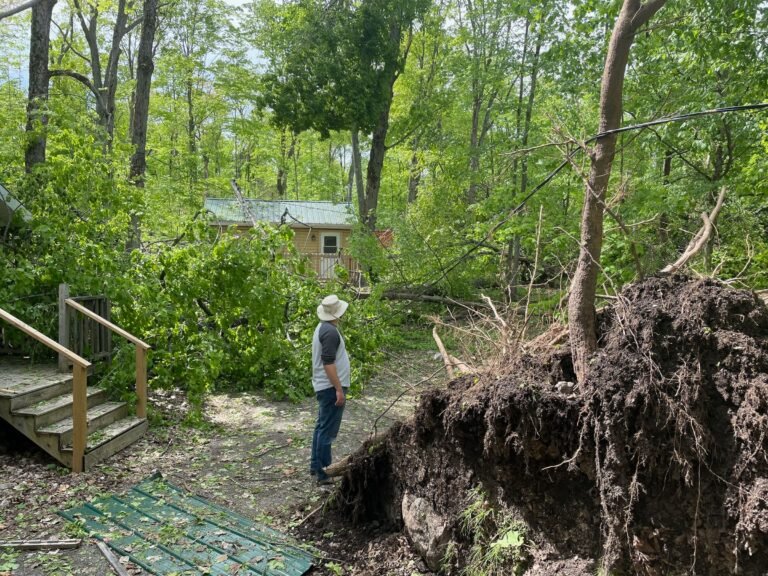
A derecho storm nearly derailed a summer camp’s opening day. Here’s how one family’s volunteer effort turned a crisis into one of their most meaningful days together.
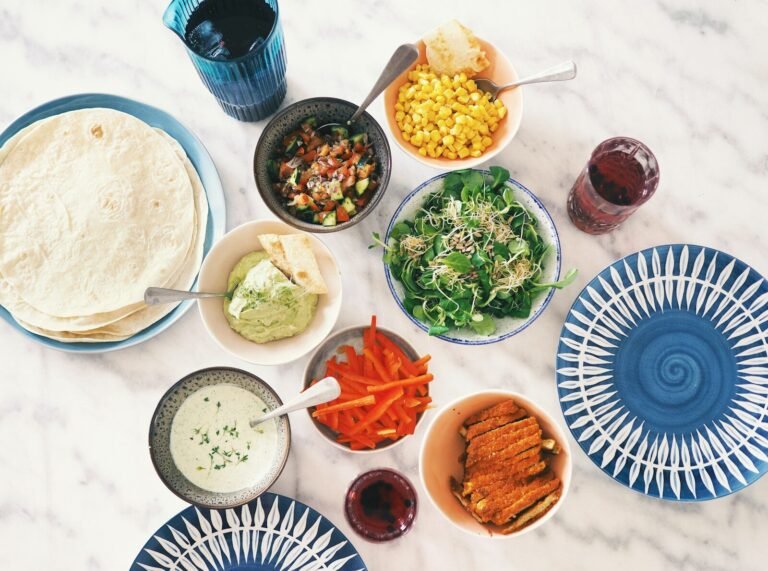
”What’s for dinner?” wasn’t always a welcome question: especially when picky eaters, changing tastes, and busy schedules entered the mix. How one family’s low-stress solution turned into a family tradition.
What does an inspiring school library look like? An educator shares favorite memories of children’s reactions to the fun environment she and other librarians created.
“Elementary students dashed into the library and ran to their favorite sections, looking at the new signage and posters….”
Get the Latest Stories
Sign up to be notified when new Menderist content goes live. Every few weeks, people share encouraging essays, anecdotes, and stories about moments that turned their day around.