







Best Mental Health Books for Kids, Tweens, and Teens
Discover 41 top-reviewed children’s books about mental health for kids, tweens and teens. Topics include anxiety, depression, bullying, and more.
To support parents/caregivers in helping adolescent and older children work through mental health challenges, Menderist publishes a range of information. We list resources from major U.S. and Canadian mental health organizations; promote recommended mental health-themed fiction for children 8+ years of age; and feature stories from readers about their experiences.

Discover 41 top-reviewed children’s books about mental health for kids, tweens and teens. Topics include anxiety, depression, bullying, and more.

Here are 12 new reviews of children’s books about mental health, suggested as titles for parents and kids to share. Adults have the option of reading a book on their own, or with their child. Leading American and Canadian organizations recommend the books, which include 10 fiction titles and two guidebooks.
We chose these books in recognition that an estimated 13 to 20 percent of mental health problems begin by the early adolescent years of 11 to 14.

Menderist is pleased to introduce its preliminary list of 10 mental-health themed books that children aged 4+ and their parents can read and discuss together. The titles are in the running for our final list of 20 books, to be released for summer 2026.
We chose these books in recognition that an estimated 13 to 20 percent of mental health problems begin by the early adolescent years of 11 to 14.
“Finn Connelly is nothing like his dad, a star athlete and firefighter hero who always ran toward danger….” (from a review of ‘The Trouble With Heroes’)
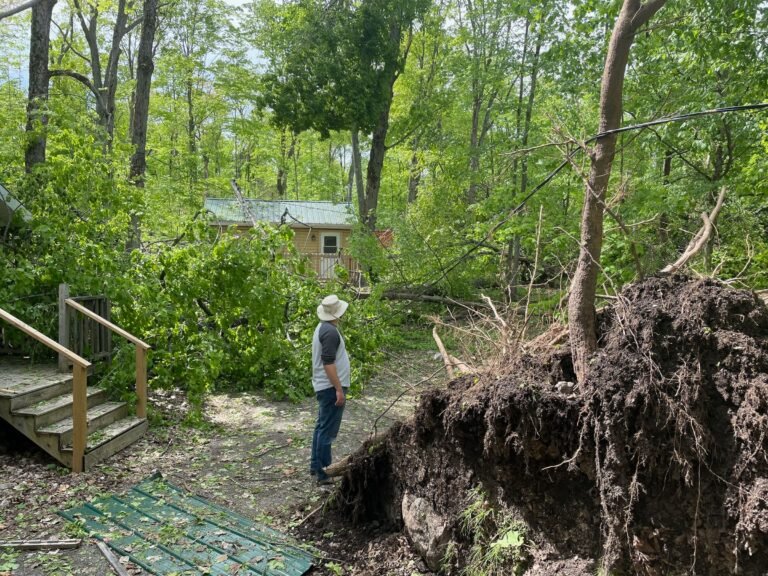
A derecho storm nearly derailed a summer camp’s opening day. Here’s how one family’s volunteer effort turned a crisis into one of their most meaningful days together.

”What’s for dinner?” wasn’t always a welcome question: especially when picky eaters, changing tastes, and busy schedules entered the mix. How one family’s low-stress solution turned into a family tradition.
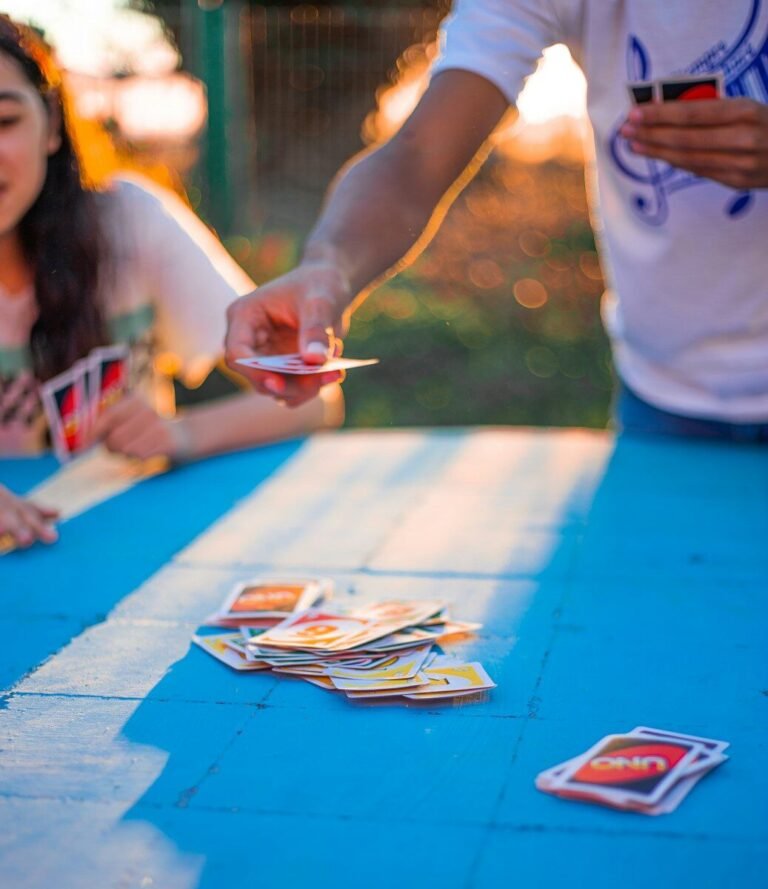
Card games have been an important and easy way to bring my family together: they’ve crossed generations, languages, and thousands of miles.

Her mother’s yearly gift of time helped save her marriage during the early years of parenthood. Now, she’s passing that same gift to her own family, and discovering its legacy.
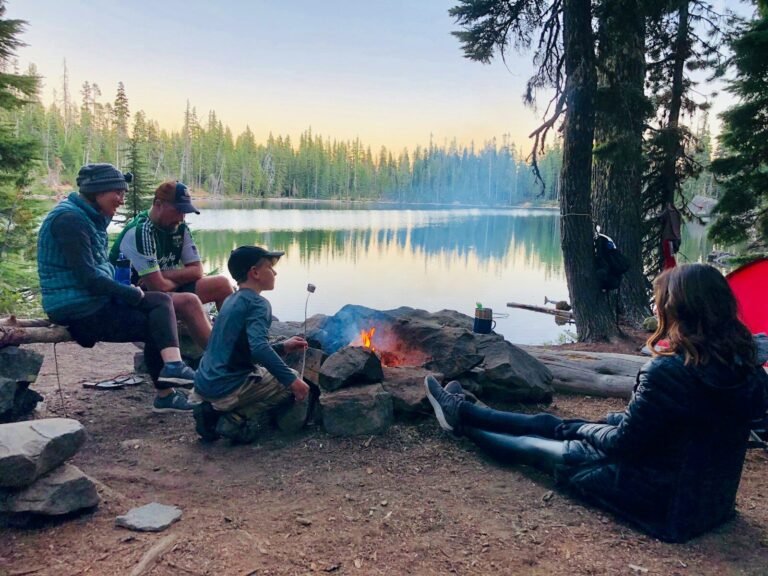
Pitching a tent in the backyard can be the first step towards adventurous trips through national parks. Here’s a step-by-step look at how one family built confidence, courage, and connection through camping.

From performing a favourite folktale to reenacting a family photo — how one family strengthened bonds by establishing simple traditions.

The strength of trees can teach us many lessons about overcoming challenges, writer Brinton Culp explains. She shares how features of a local forest have increased her sense of hope.
“Where no growth would seem possible, this tree took root and now grows strong….”
Sign up to be notified when new Menderist content goes live.
Every few weeks, people share encouraging essays, anecdotes, and stories about moments that turned their day around.
